
What Content Clipping Means for Modern Brands
How brands turn long-form videos, podcasts, webinars, and interviews into smaller content assets that travel further.
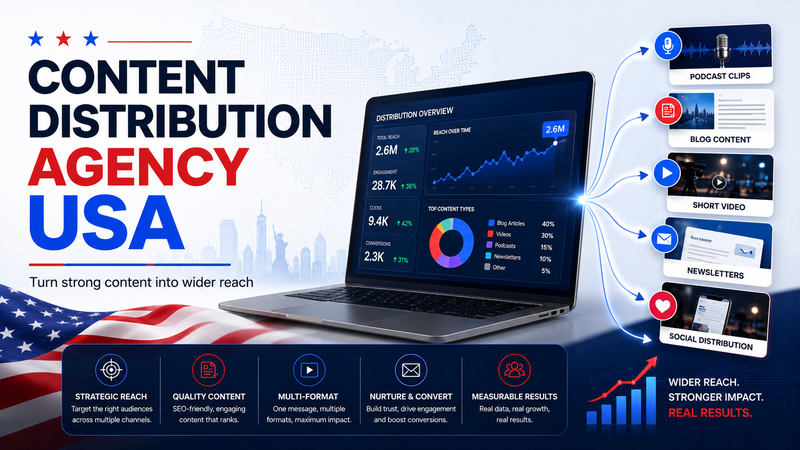

Most brands are creating more content than they know how to use properly. A podcast gets recorded, a webinar gets hosted, a founder films a long-form video, or a customer interview captures a useful story. The content may be valuable, but too much of it only gets used once before it slowly fades into the background.
That is where content clipping becomes useful. A long video can hold several strong ideas. A podcast episode can contain moments that deserve their own post. A webinar can include practical answers that would work better as short clips, newsletter sections, or social posts. The issue is not always that the brand needs more content. Often, the brand needs a better way to pull out the best parts of what already exists and turn them into assets people can actually consume.
Content clipping has become more important because people now discover brands through smaller moments. Someone may not watch a 50-minute podcast from a company they do not know yet, but they may watch a 45-second clip if the topic feels relevant. They may not sit through a full webinar replay, but they may read one useful takeaway on LinkedIn. They may not visit a service page immediately, but they may remember a smart short-form clip that explains the brand’s point of view.
This is why content clipping is more than an editing task. It is part of a wider content distribution system that helps good ideas travel further.
What content clipping actually means
A simple answer to What is Content Clipping is this: it is the process of taking long-form content and turning the strongest moments into shorter assets that can be shared across different platforms.
That may include short-form video clips, podcast highlights, written social posts, newsletter snippets, quote graphics, carousel ideas, blog sections, or sales follow-up material. The original content remains intact, but the best parts are pulled out and shaped into formats that are easier to watch, read, share, and remember.
For example, one podcast episode might become:
A short video clip from the strongest answer
A LinkedIn post built around one opinion
A newsletter section with added context
A quote graphic from a memorable line
A short educational clip for YouTube Shorts
A founder-style post for personal branding
A small FAQ answer for a customer objection
This is the real value of clipping. It gives one piece of content more than one life. The important thing is that clipping should not feel random. A good clip should stand on its own. It should make sense to someone who has not watched the full video. It should have a clear point, enough context, and a reason for the audience to keep watching or reading.
Why content clipping matters now
Content clipping matters because attention is fragmented. People move between platforms quickly, and they often discover brands through small pieces of content before they commit to longer ones. A person might first see a short clip, then read a post, then visit the website, then listen to the full podcast later.
That path may look messy, but it is common now. Long-form content still matters because it builds depth and trust. The problem is that long-form content often needs smaller entry points. Content clipping creates those entry points by turning one large asset into several easier-to-consume pieces.
This helps brands stay visible without constantly creating from scratch. Instead of asking the team to film something new every day, the brand can get more value from podcasts, webinars, interviews, demos, and conversations that already exist.
For busy teams, this can make content marketing much more manageable. It also helps the brand avoid wasting strong ideas that would otherwise stay buried inside long recordings.
Good clipping starts with choosing the right moments
The most important part of content clipping is not the edit. It is the selection. Not every moment deserves to become a clip. Some parts of a conversation need too much context. Some sections are too slow. Some may be useful inside the original video but weak when separated from it.
Good clipping begins by finding the moments that can work on their own. A strong clipped moment usually has a clear idea, a useful takeaway, a strong opinion, a relatable problem, or a direct answer to something the audience already cares about.
Strong clipped moments often include:
A founder explaining a clear point of view
A podcast guest sharing a useful insight
A customer describing a real problem
A webinar speaker answering a common question
A product expert explaining one feature simply
A consultant breaking down a common mistake
A short story that makes the brand feel more human
The goal is not to make everything shorter. The goal is to make the strongest ideas easier to discover. That difference matters because audiences can tell when a clip has no purpose. A random clip feels like filler. A strong clip feels like a useful standalone asset.
Content clipping is useful beyond social media
Most people think of clipping as something used for TikTok, Instagram Reels, YouTube Shorts, or LinkedIn video. Those platforms are important, but content clipping can support more than social media.
A clipped idea can become part of a newsletter. It can become a section in a blog article. It can help a sales team answer a common objection. It can become a quote graphic. It can support a landing page. It can also become a short written post that explains one part of a larger topic.
This makes clipping especially useful for service businesses, agencies, consultants, SaaS companies, coaches, podcast hosts, and founder-led brands. These businesses often have valuable ideas, but those ideas are usually spread across long conversations, interviews, calls, or internal notes.
Content clipping helps bring those ideas into public view. A service business could clip a founder interview into short videos that explain the company’s process. A SaaS company could turn webinar sections into product education clips. A podcast could turn guest answers into social posts. A consultant could repurpose long presentations into educational content.
The format changes, but the purpose stays the same: make useful expertise easier for the audience to access.
The role of short-form video in content clipping
Short-form video is one of the most common outputs of content clipping because it fits how people consume information today. A short clip gives the viewer one useful idea without asking for too much time.
That said, short-form video only works when the clip is built properly. It needs a clear opening, natural pacing, enough context, and a focused point. Captions can help, but captions alone do not make a weak clip strong. Fast edits can help in some cases, but not every brand needs loud effects or overproduced visuals.
For many premium brands, cleaner clips work better. A founder speaking clearly, a guest sharing one useful insight, or a customer explaining one result can be more effective than a flashy edit with too much going on.
Good short-form clipping should usually aim for:
A clear first line
One main idea
Natural pacing
Clean captions
Enough context for new viewers
A useful takeaway
A style that fits the brand
The clip should make the idea easier to watch, not bury it under effects. The best short-form clips feel polished, but they still sound like real people communicating real ideas.
Why brands should plan for clipping before recording
Many brands think about clipping only after the content is finished. That can still work, but it is not always the best approach. If a brand knows it wants to clip content later, it should plan for that before recording.
This does not mean scripting every word. It simply means asking better questions and structuring the original content in a way that creates strong moments.
If a podcast is being recorded, the host can ask questions that lead to clear answers. If a webinar is being created, each section can focus on a practical takeaway. If a customer interview is being filmed, the team can ask for specific problems, outcomes, and examples. If a founder is recording a long-form video, the topic can be broken into sections that later work as standalone clips.
Before recording a major content asset, brands can ask:
What are the strongest ideas we want to capture?
What questions does our audience already care about?
Which sections could work as short clips?
Can this content support social, email, and sales?
What parts would still make sense without the full context?
How can we make the final asset easier to repurpose?
These questions make the original content stronger and make clipping easier later. They also help teams avoid creating content that sounds good in theory but becomes difficult to reuse.
Common mistakes with content clipping
The first common mistake is clipping too much. Just because a long video is available does not mean every section should be used. Quality matters more than squeezing out the highest number of clips.
The second mistake is posting the same clipped content everywhere without adapting it. A clip for LinkedIn may need a different caption and framing than a clip for TikTok or YouTube Shorts. A newsletter version may need more explanation. A written post may need a stronger introduction.
The third mistake is over-editing. Some brands try to make every clip look like viral creator content, even when that style does not fit their audience. A serious B2B brand, consultant, or premium service provider may need a more restrained style that protects trust.
The fourth mistake is treating clipping as a one-time task. Content clipping works better when it becomes part of the regular content workflow. One batch of clips can help, but a consistent system creates more long-term value.
What good content clipping should achieve
Good content clipping should make strong ideas more visible. It should help a brand get more from the content it already creates without making the output feel thin or repetitive.
A good clipping system can help a brand:
Extend the life of long-form content
Create more assets from fewer recordings
Build a steady short-form video pipeline
Make founder insights more visible
Support newsletters, blogs, and social posts
Give sales teams better content to use
Improve brand familiarity over time
Reduce pressure to constantly create from scratch
The main benefit is efficiency. Brands already invest time into podcasts, webinars, interviews, and videos. Content clipping helps make that investment work harder.
Final thoughts
Content clipping is not just about cutting long videos into shorter clips. It is about finding the strongest moments inside long-form content and turning them into useful assets that can travel across platforms.
For brands that already create podcasts, webinars, interviews, demos, or educational videos, clipping can make the whole content operation more effective. It creates more touchpoints, supports content distribution, improves visibility, and gives good ideas more chances to be seen.
The goal is simple. Do not let strong ideas stay buried inside long recordings. Clip the best moments, shape them properly, and give them more places to live.

Comments
No comments yet. Be the first to comment!